
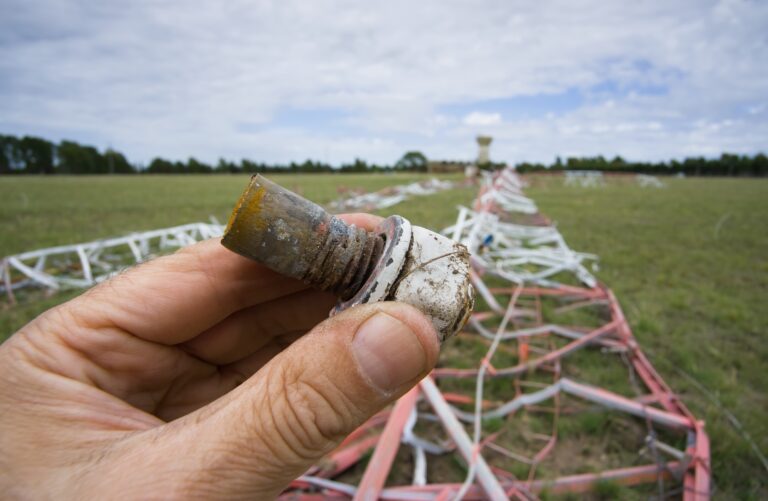
Forensic engineering plays a critical role in understanding the causes behind structural, mechanical, and material failures. For Clarksean & Associates, experts in engineering analysis and expert witness services, a detailed understanding of this discipline is vital. This essential guide delves into the principles of forensic engineering and catastrophic failures, highlighting its importance in both engineering and legal frameworks.
What Is Forensic Engineering?
Forensic engineering is a specialized field that investigates failures in structures, systems, and materials to determine their causes and prevent future incidents. It combines engineering expertise with investigative techniques to uncover the root causes of failures, which may include:
- Structural collapses
- Mechanical malfunctions
- Material fatigue or degradation
- Construction defects
Forensic engineers are often called upon as expert witnesses in legal disputes, providing objective and evidence-based testimony.
Applications of Forensic Engineering
- Litigation Support: Forensic engineers assist in court cases involving construction defects, product liability, and workplace accidents.
- Failure Prevention: By analyzing failures, they contribute to the development of safer designs and construction methods.
- Insurance Investigations: Determining the causes of failures helps insurers assess claims accurately.
Understanding Catastrophic Failures
Catastrophic failures are sudden, unexpected events leading to significant damage, injury, or loss of life. These events often result from a combination of factors, including design flaws, material defects, and external stresses.
Types of Catastrophic Failures
- Structural Failures: Examples include building collapses, bridge failures, or dam breaches.
- Mechanical Failures: This category covers equipment breakdowns, such as turbine explosions or vehicle malfunctions.
- Material Failures: Includes cracking, corrosion, or fatigue leading to critical damage in components.
Causes of Catastrophic Failures
- Design Errors: Inadequate design calculations or poor consideration of load capacities.
- Material Defects: Poor-quality materials that fail under stress.
- Construction Deficiencies: Deviations from design specifications during construction.
- External Factors: Natural disasters, human errors, or unforeseen environmental conditions.
Case Studies of Catastrophic Failures
- Tacoma Narrows Bridge Collapse (1940): A classic example of structural failure due to aerodynamic instability.
- Challenger Space Shuttle Disaster (1986): Mechanical failure caused by faulty O-ring seals under cold conditions.
- Hyatt Regency Walkway Collapse (1981): A design flaw combined with construction errors led to the collapse, resulting in numerous fatalities.
The Role of Forensic Engineers in Catastrophic Failures
Forensic engineers are crucial in analyzing catastrophic failures, identifying their causes, and recommending preventive measures. Their investigations involve a structured process:
1. Initial Assessment
The first step involves examining the failure site, collecting evidence, and documenting observations. This process may include:
- Visual inspections
- Photographic documentation
- Interviews with witnesses
2. Evidence Collection
Physical evidence, such as broken components or material samples, is gathered for detailed analysis.
3. Testing and Analysis
Using advanced methods like finite element analysis (FEA) or material testing, forensic engineers determine the root causes of failures.
4. Reporting Findings
The findings are compiled into a detailed report, which may be used in court or for developing future safety measures.
Key Tools and Techniques in Forensic Engineering
Forensic engineers rely on various tools and methods to conduct their investigations:
1. Non-Destructive Testing (NDT)
- X-ray Imaging: For detecting internal flaws in materials.
- Ultrasound Testing: Used to assess cracks or voids.
- Magnetic Particle Testing: Identifies surface or near-surface discontinuities.
2. Structural Analysis Software
Programs like ANSYS or SAP2000 simulate stress and load conditions to assess failure scenarios.
3. Material Analysis
Laboratory testing determines properties like tensile strength, hardness, and corrosion resistance.
4. Accident Reconstruction
By recreating the failure event, forensic engineers gain insights into the sequence of events leading to catastrophic outcomes.
The Legal Implications of Forensic Engineering
Forensic engineers often serve as expert witnesses in legal disputes, requiring them to adhere to strict ethical and professional standards. Their testimony must be unbiased, evidence-based, and withstand cross-examination.
Challenges for Expert Witnesses
- Maintaining Objectivity: Forensic engineers must ensure their findings are neutral and supported by scientific evidence.
- Communicating Complex Concepts: Simplifying technical details for judges, juries, and lawyers is essential.
- Withstanding Scrutiny: All analyses and conclusions must withstand rigorous questioning during litigation.
For Clarksean & Associates, upholding these standards is vital to maintaining credibility in their expert witness services.
Preventing Catastrophic Failures
Proactive measures can mitigate the risks of catastrophic failures. These include:
1. Rigorous Design Practices
- Implementing robust design standards
- Conducting peer reviews of engineering plans
2. Quality Control in Materials
- Testing materials for compliance with specifications
- Sourcing from reliable suppliers
3. Regular Maintenance and Inspections
- Periodic inspections of structures and machinery
- Timely repair of detected issues
4. Adherence to Safety Standards
- Following codes and guidelines established by organizations like the American Society of Civil Engineers (ASCE)
5. Risk Assessment and Management
- Identifying potential risks during the design phase
- Implementing measures to minimize those risks
The Future of Forensic Engineering
Advancements in technology continue to shape the field of forensic engineering, improving accuracy and efficiency in investigations.
Emerging Trends
- Artificial Intelligence (AI): Machine learning algorithms analyze failure patterns and predict risks.
- 3D Scanning and Modeling: Enables detailed reconstructions of failure sites.
- Advanced Material Science: New materials with higher strength and resilience reduce failure risks.
The Role of Research and Education
Continuous learning and research ensure that forensic engineers stay updated with the latest techniques and methodologies.
Conclusion
Forensic engineering is an indispensable discipline in understanding and preventing catastrophic failures. Through meticulous investigations, expert analysis, and unbiased testimony, professionals like Clarksean & Associates contribute to safer designs and construction practices. By adhering to ethical standards and leveraging advanced technologies, forensic engineers play a pivotal role in ensuring public safety and upholding justice.
Explore expert forensic engineering solutions and in-depth failure analysis services at Clarksean & Associates, your trusted partner in engineering investigations worldwide.
External Resources for Further Reading:
