
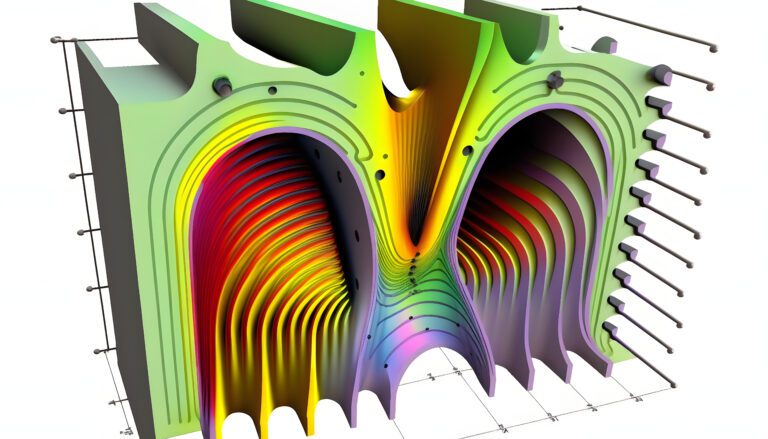
In today’s fast-paced industrial and manufacturing environment, system failures can be more than just inconvenient—they can lead to significant financial losses, safety hazards, and reputational damage. Whether you’re designing a new product, maintaining complex machinery, or defending your organization in a legal case, understanding the root cause of failures is essential. This is where engineering failure analysis services play a critical role.
At Engineering-Analysis.com, our expert team specializes in diagnosing complex failures, providing actionable insights, and helping organizations prevent future issues. In this article, we’ll explore the importance of failure analysis, the methods used, and how businesses can leverage these services to improve product reliability and operational efficiency.
What Are Engineering Failure Analysis Services?
Engineering failure analysis services involve investigating the reasons behind the malfunction or breakdown of components, systems, or processes. These services are crucial in industries where reliability, safety, and compliance are non-negotiable.
The goal is not just to determine what failed, but why it failed, and to provide recommendations that prevent recurrence. Typical failures may involve:
- Mechanical components breaking under stress
- Thermal or electrical systems overheating
- Structural defects in buildings, bridges, or machinery
- Corrosion, wear, or material degradation
- Software or control system malfunctions
Failure analysis can be reactive—investigating an incident that has already occurred—or proactive, identifying potential risks before they lead to downtime.
At Engineering-Analysis.com, our team provides comprehensive failure analysis services using both experimental testing and advanced computational techniques.
Why Failure Analysis Matters for Businesses
Every failure has hidden costs. Beyond immediate repair expenses, failures can cause:
- Operational downtime: Production lines or critical infrastructure may be halted.
- Financial loss: Repairs, replacements, and lost productivity add up quickly.
- Legal and regulatory risks: Non-compliance with safety standards or contract obligations can result in penalties.
- Reputational damage: Product failures can erode customer trust and market credibility.
By investing in engineering failure analysis services, companies gain a clear understanding of the root cause of failures, enabling them to implement corrective actions and design improvements. This proactive approach not only saves money but also enhances reliability, safety, and customer satisfaction.
Key Methods Used in Engineering Failure Analysis
Failure analysis is a multidisciplinary process that combines hands-on inspection with advanced computational techniques. Some of the most common methods include:
Material Testing and Metallurgical Analysis
Understanding how a material behaves under stress, fatigue, or environmental conditions is critical. Material testing may involve:
- Microscopic examination of fracture surfaces
- Chemical composition analysis
- Hardness and tensile testing
This helps identify issues such as manufacturing defects, improper material selection, or corrosion. Our team leverages cutting-edge laboratory tools to conduct detailed material analyses, as described on our materials testing services page.
Finite Element Analysis (FEA)
Finite Element Analysis (FEA) is a computational technique that predicts how components react to forces, vibration, heat, and other physical effects. FEA allows engineers to simulate failure scenarios virtually, identify stress points, and optimize designs before failures occur.
At Engineering-Analysis.com, we use advanced FEA to model mechanical and structural components accurately, reducing trial-and-error and saving significant time in both design and troubleshooting.
Computational Fluid Dynamics (CFD)
Failures in fluid systems—such as pumps, pipelines, or HVAC systems—often stem from flow imbalances, turbulence, or pressure anomalies. Computational Fluid Dynamics (CFD) simulations help engineers understand these effects, prevent thermal or hydraulic failures, and improve efficiency. Learn more about our CFD and thermal analysis services for complex system evaluations.
Fractography and Visual Inspection
Fractography examines the fracture surfaces of failed components to determine whether failure occurred due to fatigue, overload, or environmental effects. Coupled with high-resolution visual inspections, this method provides immediate clues about the origin of the problem.
Forensic and Legal Engineering
Some failures have legal implications. Our team provides expert witness testimony and forensic reports that are admissible in court, helping clients navigate litigation involving product liability, construction defects, or industrial accidents. See our forensic engineering services for more information.
Industries That Benefit From Failure Analysis
Engineering failure analysis is relevant across virtually every industry. Key sectors include:
- Manufacturing: Preventing machinery breakdowns and defective products
- Aerospace: Ensuring aircraft components meet stringent safety standards
- Construction & Infrastructure: Analyzing structural failures to maintain safety and compliance
- Energy & Utilities: Identifying causes of equipment failure in power plants or pipelines
- Automotive & Transportation: Improving component durability and safety performance
- Legal & Insurance: Providing expert opinions for disputes and claims
No matter the industry, companies that proactively leverage failure analysis services gain a competitive edge, reducing costs, improving safety, and enhancing product quality.
Proactive vs. Reactive Failure Analysis
There are two main approaches to failure analysis:
Reactive Failure Analysis
This is performed after a failure has occurred. The objective is to:
- Identify the root cause
- Document findings for internal or external reporting
- Recommend corrective measures to prevent recurrence
Reactive analysis is critical in emergencies or when failures have serious financial, safety, or legal consequences.
Proactive Failure Analysis
Also known as predictive or preventive analysis, this approach identifies potential failures before they happen. Techniques include:
- Design simulations using FEA or CFD
- Environmental and stress testing
- Regular inspections and monitoring of high-risk components
Proactive failure analysis allows companies to optimize designs, improve maintenance schedules, and mitigate risks—saving both time and money.
The Role of Experimental Testing in Failure Analysis
While computational tools like FEA and CFD provide valuable predictions, real-world experimental testing validates the findings and ensures accuracy. Experimental methods include:
- Mechanical load testing
- Fatigue and endurance tests
- Thermal cycling and environmental testing
- Vibration and shock testing
Engineering-Analysis.com combines computational analysis with hands-on testing to provide robust, reliable results that clients can trust.
How Failure Analysis Improves Product Reliability
Product reliability is directly tied to a company’s reputation, customer satisfaction, and bottom line. By engaging in engineering failure analysis, organizations can:
- Identify design flaws early: Avoid costly recalls or warranty claims
- Optimize material selection: Ensure components can withstand operational stress
- Enhance maintenance planning: Predict failures before they occur
- Improve safety and compliance: Meet or exceed regulatory standards
For example, our team has helped clients redesign critical components to withstand higher stress loads, increasing both product lifespan and customer trust.
Choosing the Right Engineering Failure Analysis Partner
Selecting a qualified failure analysis partner is critical. Here’s what to look for:
- Expertise in multiple engineering disciplines: Mechanical, electrical, thermal, and materials
- Advanced computational and testing capabilities: FEA, CFD, metallurgical analysis
- Experience across industries: Manufacturing, aerospace, construction, energy, automotive
- Ability to provide actionable recommendations: Not just analysis, but solutions
- Forensic and legal experience: If the failure has regulatory or legal implications
Engineering-Analysis.com meets all these criteria, offering a full suite of failure analysis services designed to help organizations prevent downtime, reduce risk, and improve product reliability. Explore our full range of services to learn more.
Real-World Examples of Failure Analysis Impact
Consider the following scenarios:
- A manufacturing client experienced repeated gearbox failures on a critical production line. Through engineering failure analysis services, our team identified a material fatigue issue and recommended design adjustments, eliminating downtime and saving thousands in repairs.
- An energy company faced unexplained overheating in turbine components. Using FEA and thermal analysis, we pinpointed stress concentration zones, enabling the client to reinforce the design and prevent catastrophic failure.
- A construction firm required expert testimony after a structural collapse. Our forensic engineering services provided a detailed report that clarified the failure mechanism and supported legal proceedings.
These examples demonstrate how engineering failure analysis not only addresses immediate issues but also drives long-term operational improvements.
Conclusion: The Value of Engineering Failure Analysis Services
Failures are inevitable—but costly failures don’t have to be. With professional engineering failure analysis services, companies can:
- Identify root causes quickly and accurately
- Implement corrective actions that prevent recurrence
- Improve product reliability and operational efficiency
- Reduce legal and financial risk
- Enhance safety and compliance
By combining advanced computational methods, experimental testing, and forensic expertise, Engineering-Analysis.com delivers actionable insights that empower organizations to turn failures into opportunities for improvement.For organizations serious about reducing downtime, improving product reliability, and preventing costly mistakes, partnering with experts in failure analysis is not optional—it’s essential. Explore our failure analysis services to see how our team can help your organization succeed.
